Top Physics Stories
Earth's day isn't exactly 24 hours. The reason may lie deep inside the planet
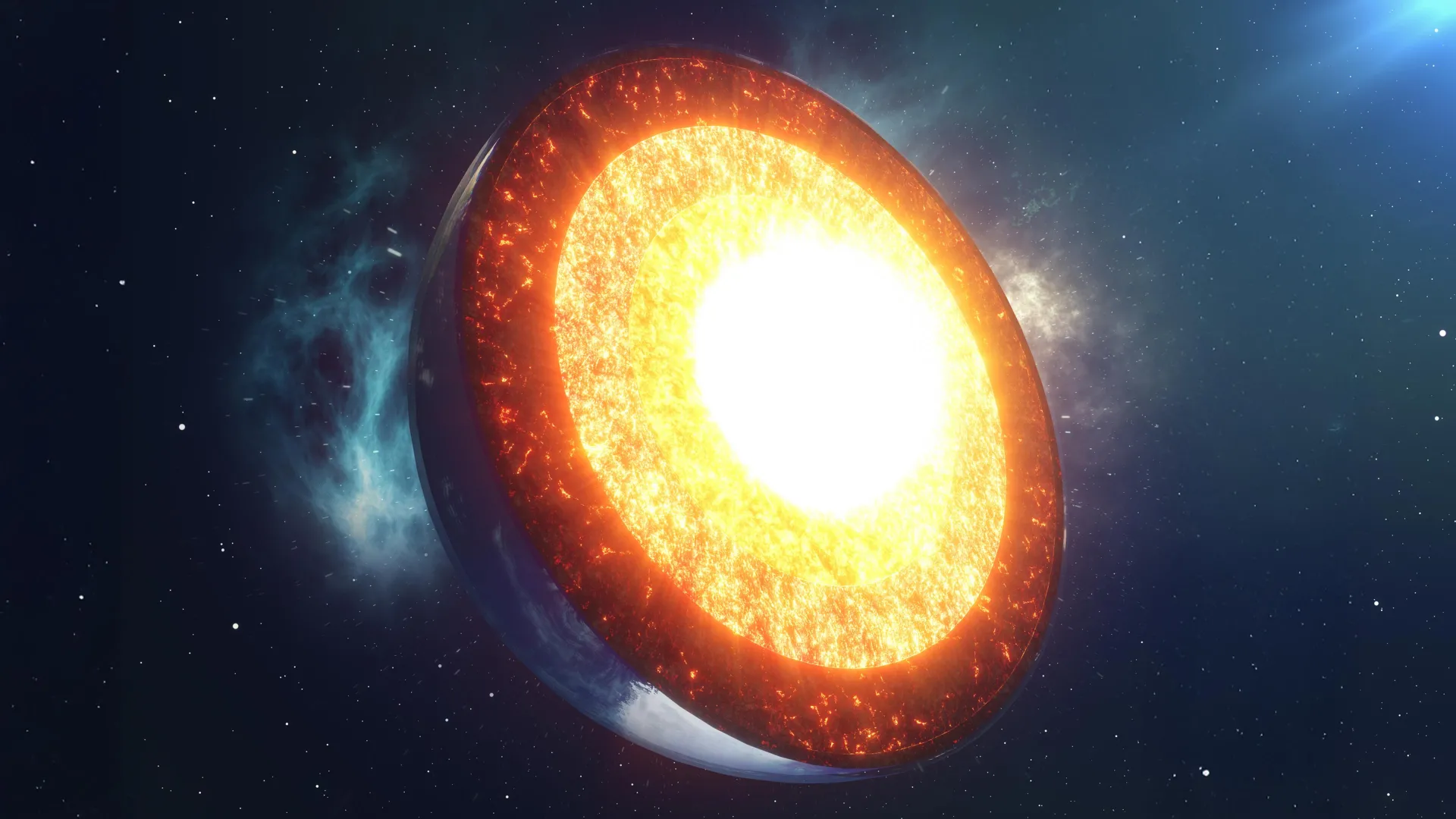
Gravitational torque between Earth's shifting inner core and mantle explains decades-long millisecond drifts in day length.
Read full story →Sea Monkeys Show Scientists How To Rewrite a Rule of Turbulence
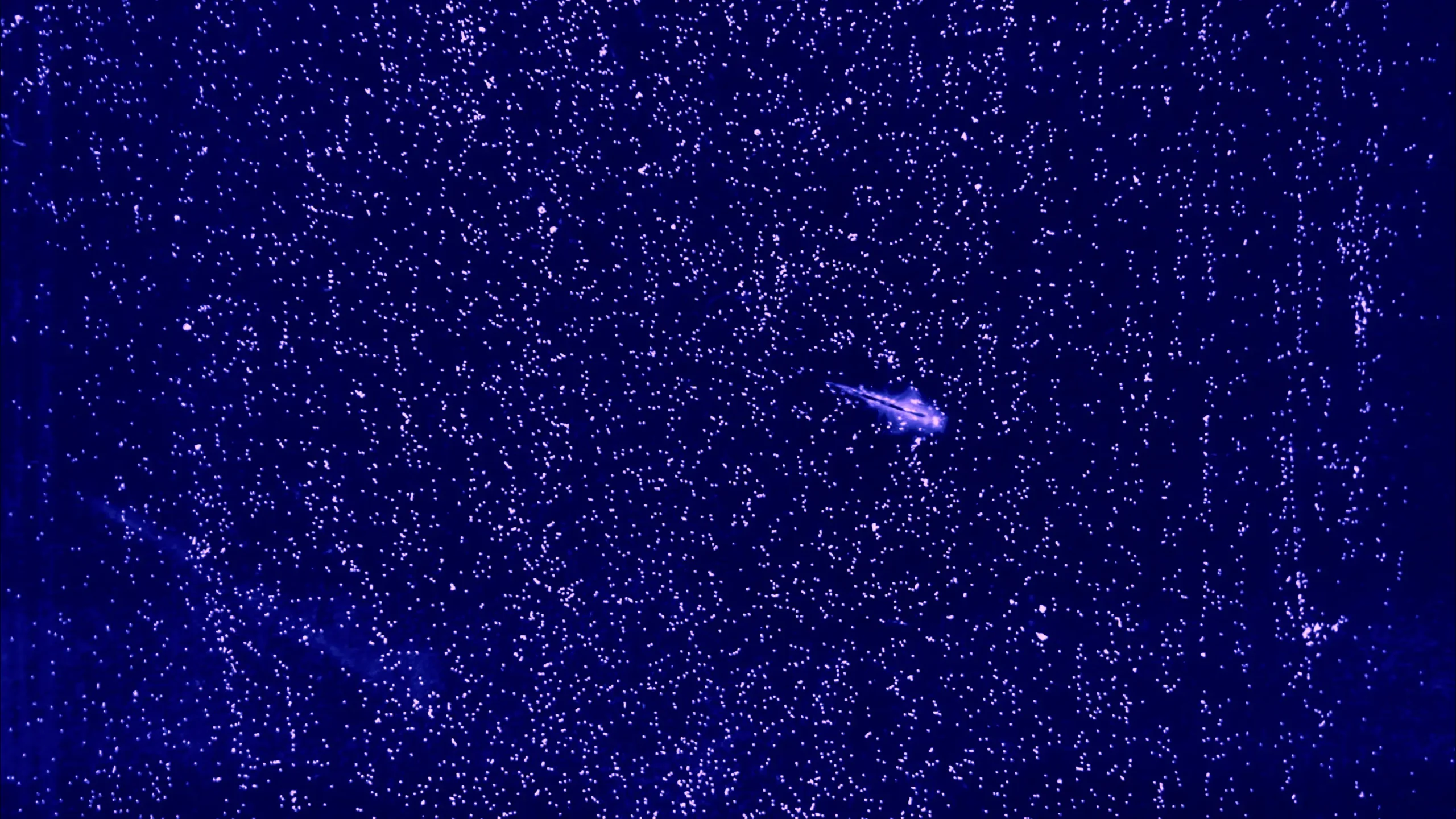
Brine shrimp swimming at different angles through 2D turbulence can reverse which way energy cascades, upending a textbook assumption.
Read full story →Physicists Quantum-Entangled a Levitating Speck of Glass With Light at Room Temperature
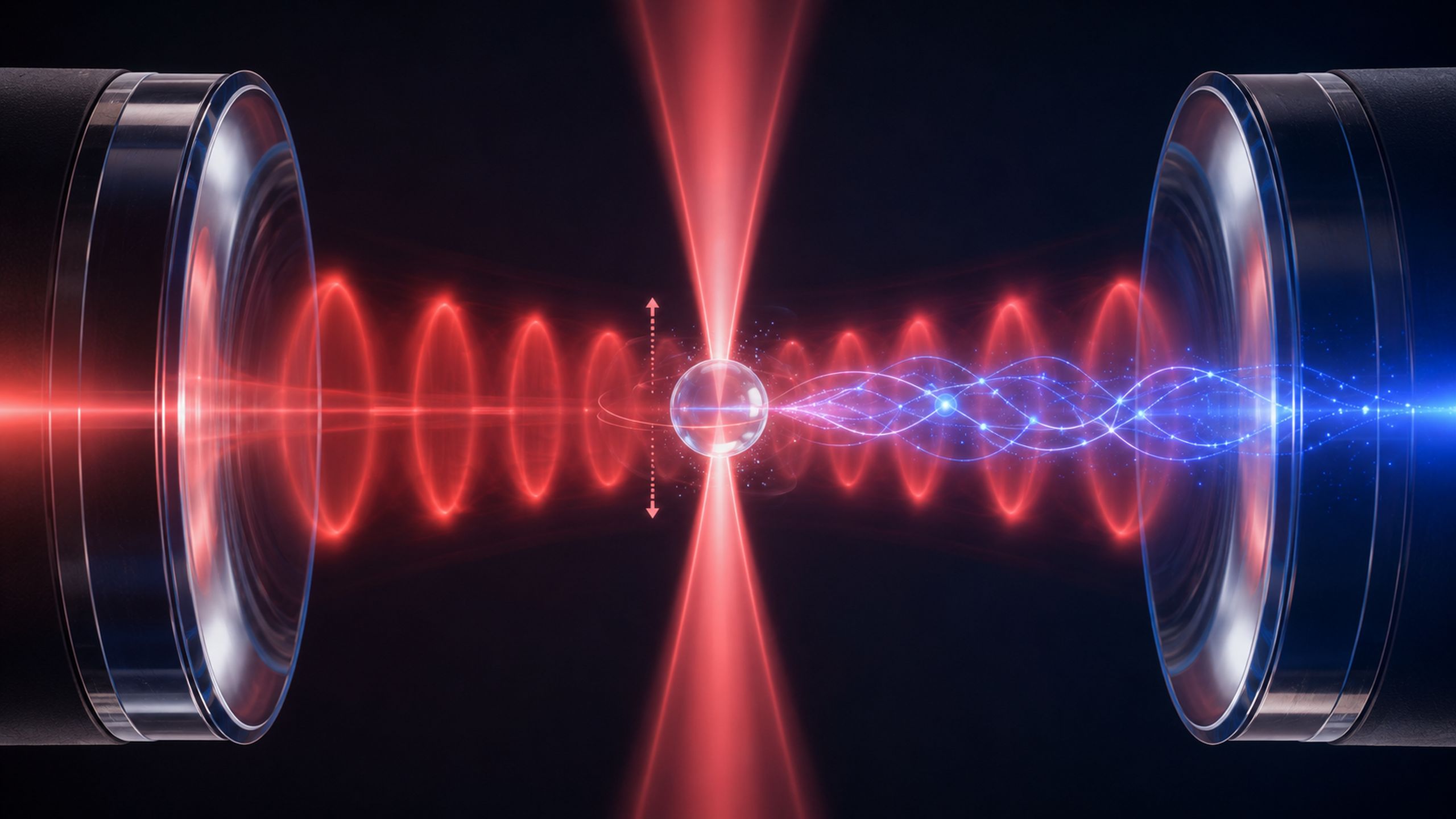
A levitated glass particle was entangled with outgoing light at room temperature, no cryogenic cooling required.
Read full story →Astronomers find the lightest double neutron star system ever seen
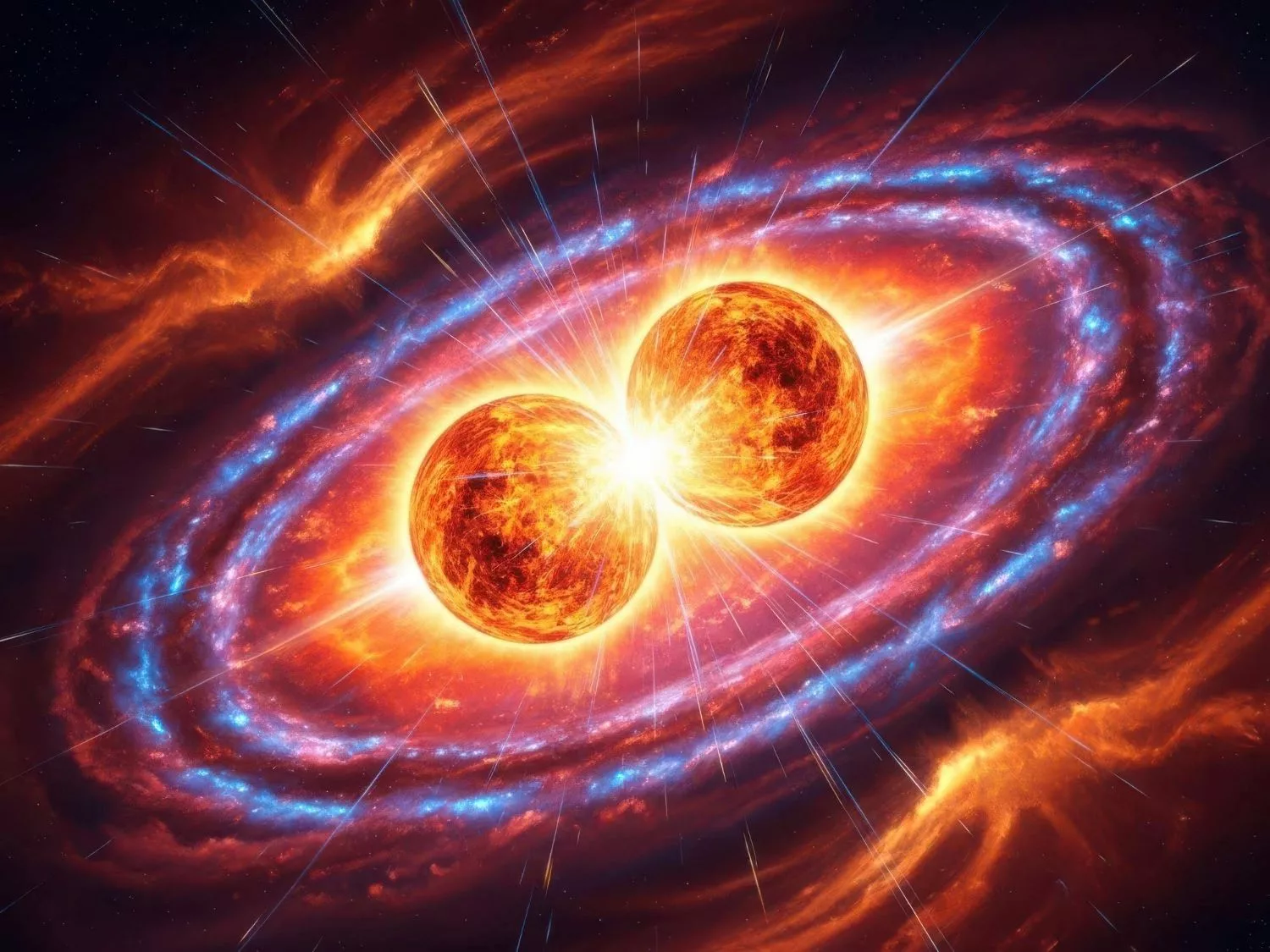
FAST telescope discovers PSR J1856-0039, the lowest-mass double neutron star system known, testing general relativity to below 1% error.
Read full story →Caltech physicists finally measure a quantum energy ladder predicted 40 years ago
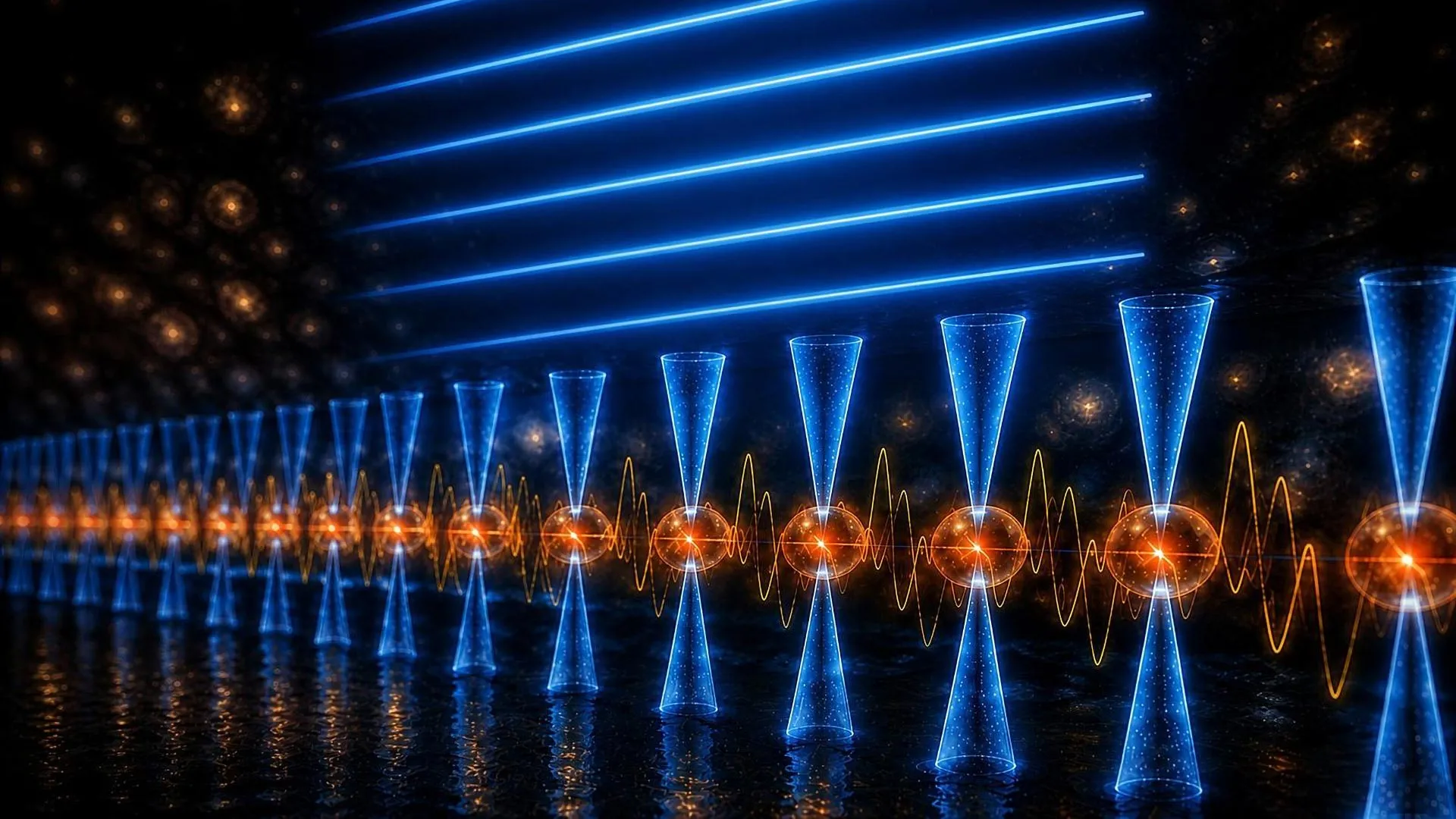
A 35-atom quantum simulator confirmed 40-year-old conformal field theory predictions about Ising energy ratios.
Read full story →Quantum teleportation breakthrough: Scientists crack a 25-year entanglement challenge
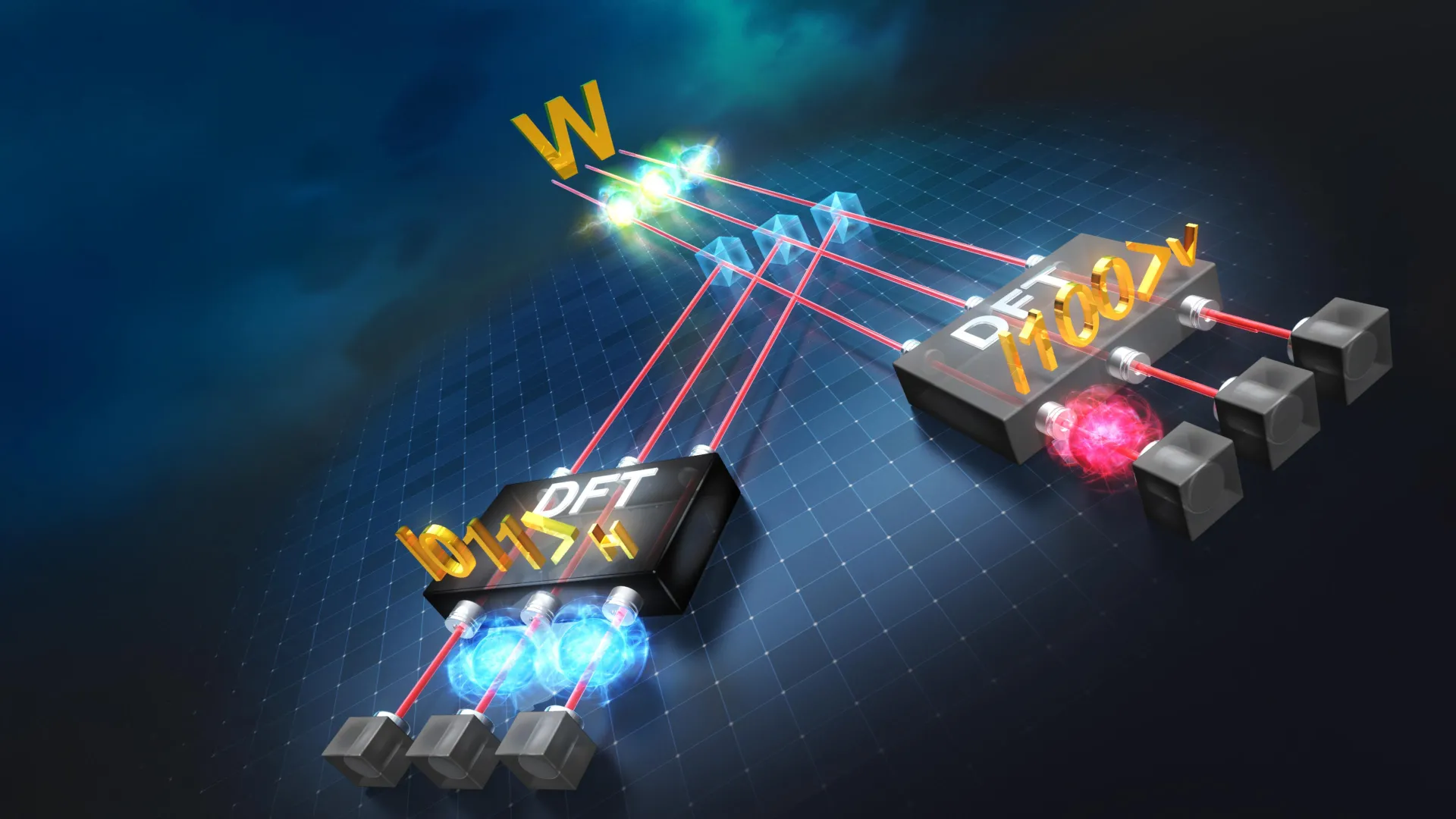
Kyoto and Hiroshima researchers devised the first method to measure multi-photon W-state entanglement, a 25-year-old open problem.
Read full story →Astronomers Detect an Atmosphere on the Coolest 'Lava World' Yet

JWST finds an atmosphere on HD 3167 b, the coldest known lava world to retain one, hinting at parallels with early Earth.
Read full story →Scientists discover first type I superconductor that breaks time-reversal symmetry

YbSb2 is the first type I superconductor found to spontaneously break time-reversal symmetry, hinting at topological superconductivity.
Read full story →